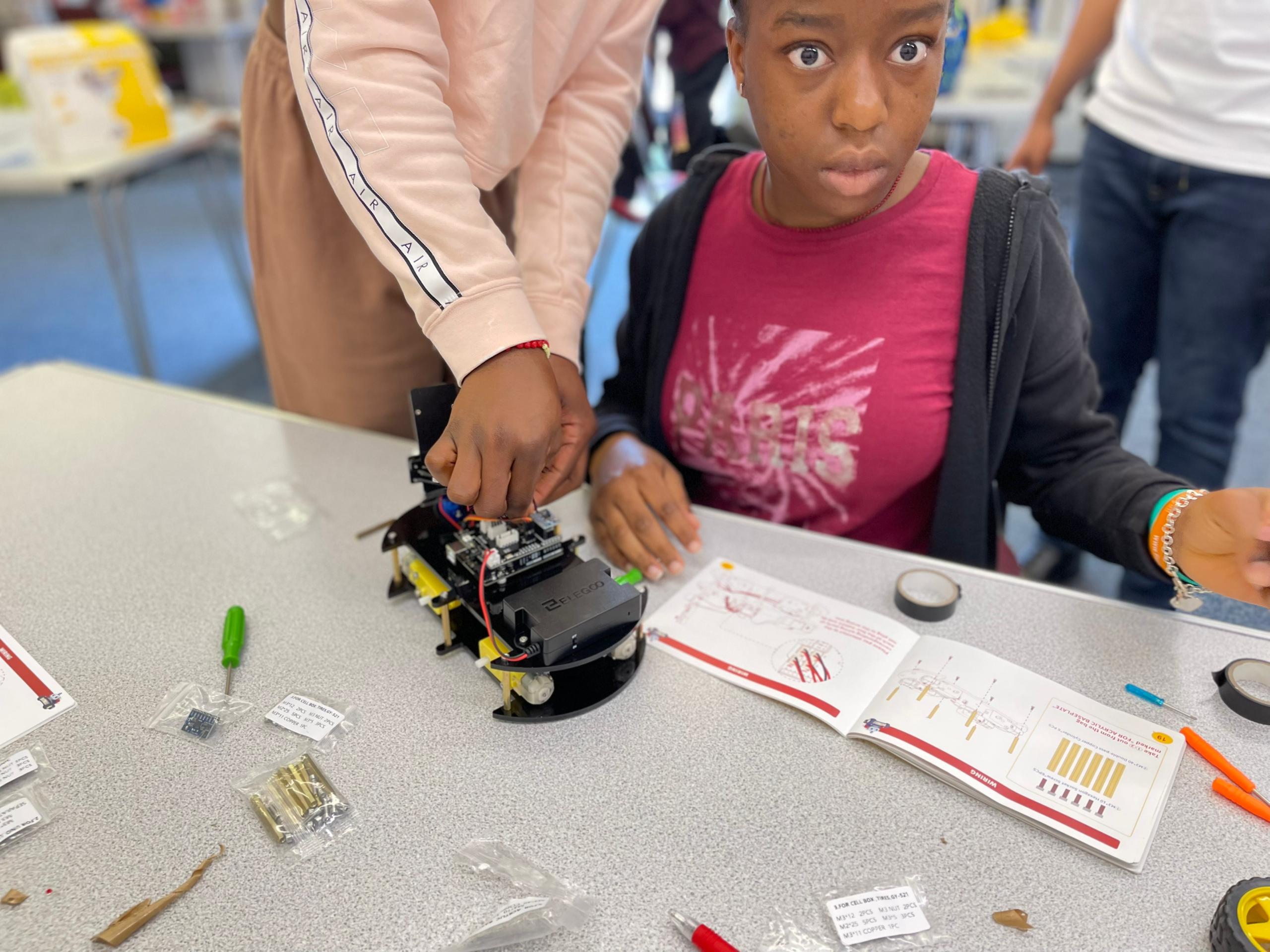
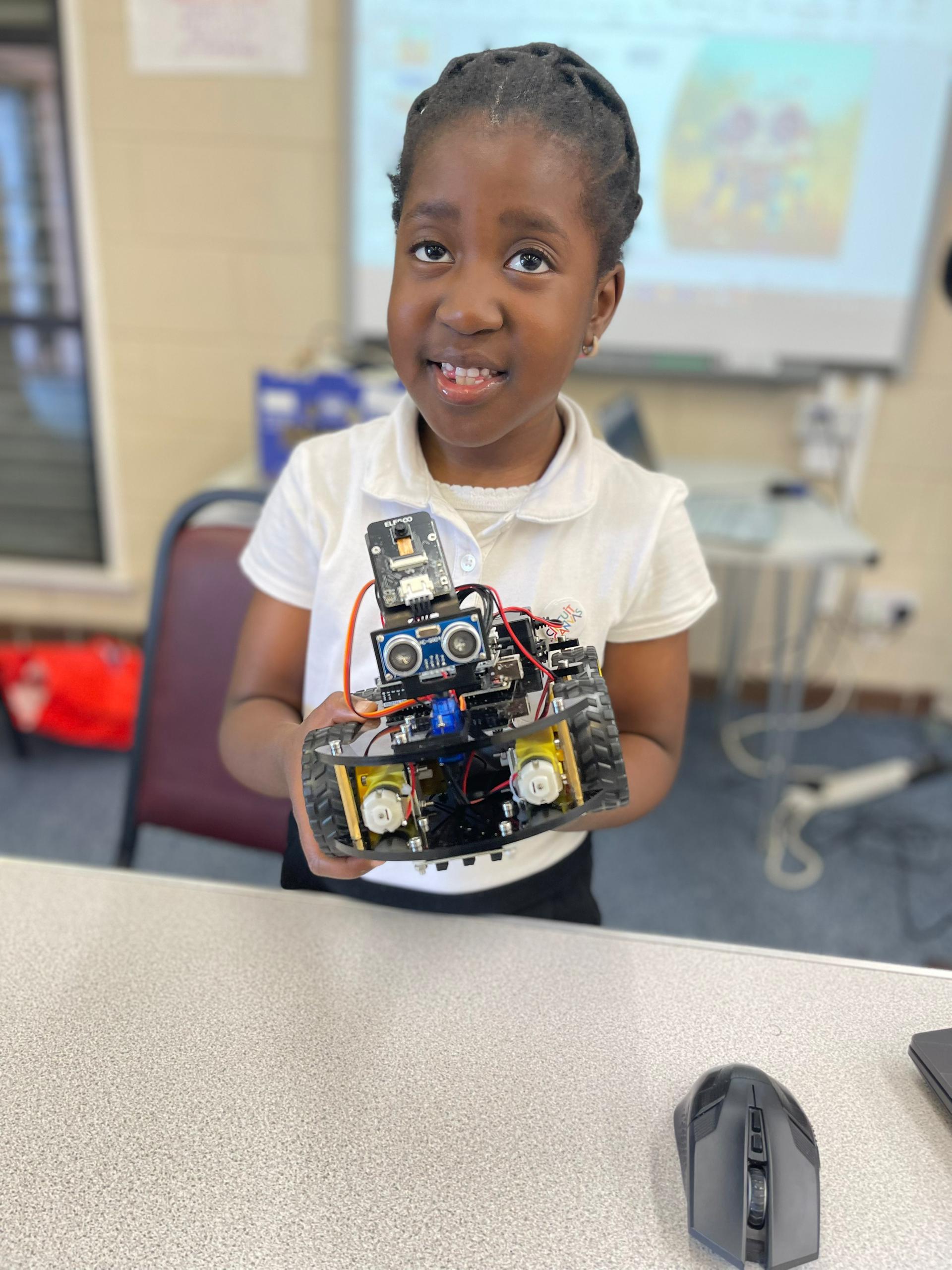
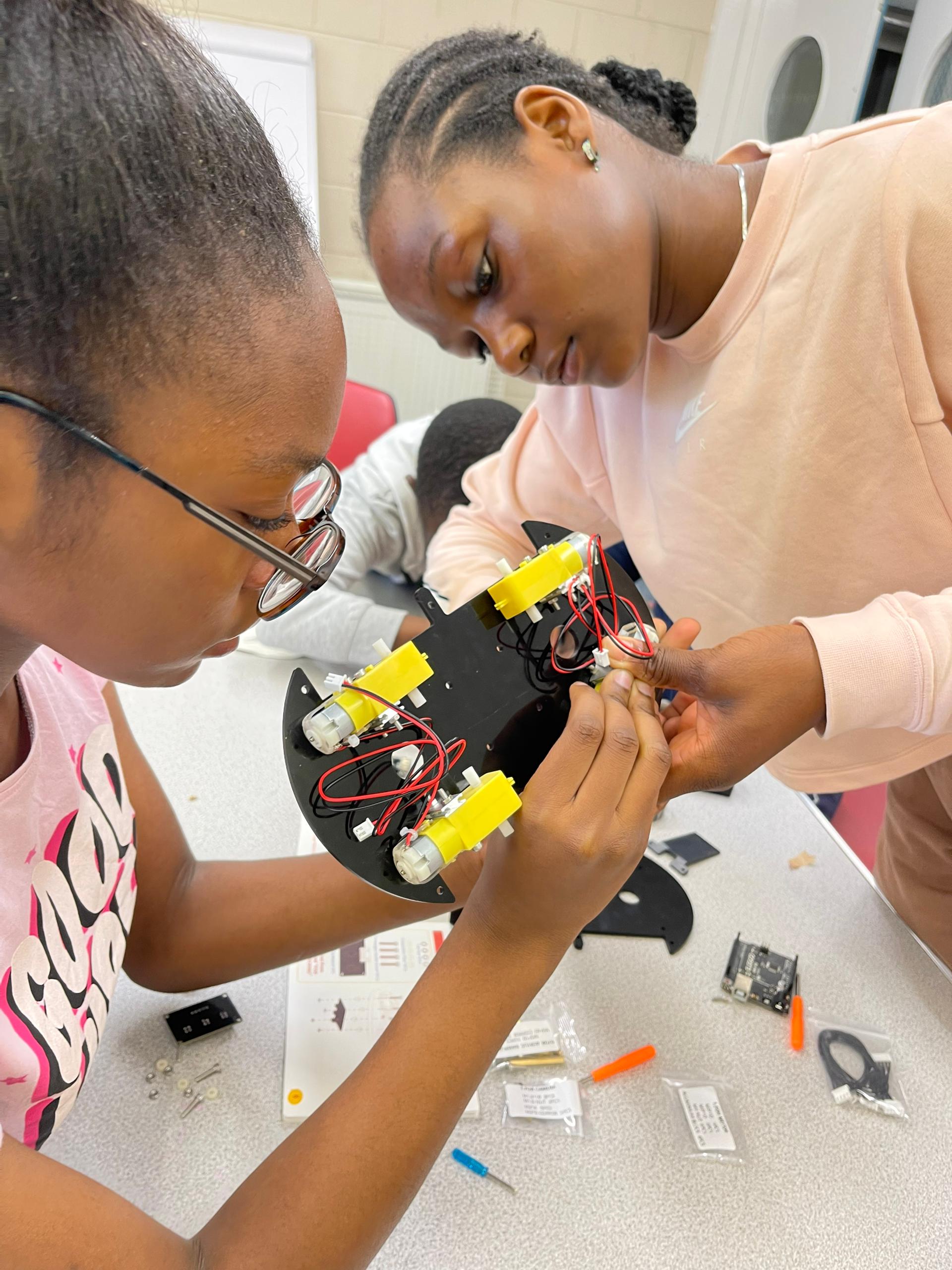
As parents, we are constantly navigating a rapidly changing world. We enroll our kids in sports for physical health, and language classes for global communication. But when it comes to coding, many parents still view it as a niche skill reserved for future IT professionals. This is a misconception.
Coding is Computational Thinking
At its core, coding is not about memorizing syntax. It is about a framework of problem-solving known as "computational thinking". When a child writes a program, they are learning how to take a massive, overwhelming problem, break it down into tiny logical steps, and tackle them one by one.
This specific type of logical structuring is applicable everywhere. Whether a child grows up to be a surgeon diagnosing a complex illness, an architect designing a building, or an artist organizing a structural masterpiece, computational thinking forms a bedrock of cognitive resilience.
Teaching a child to code is teaching a child that no problem is too big if they know how to break it into pieces.
Fostering Resilience Through Failure
One of the most unique aspects of programming is that failure is guaranteed. You will write code. It will break. An error message will flash red on the screen. In a traditional classroom, a red mark means a bad grade. In coding, a red error is simply the computer saying, "Try again, you almost have it."
- Normalizes failure as part of the creative process
- Enhances persistence and grit
- Teaches deep logical abstraction
- Empowers digital literacy over digital consumption
By enrolling your child in a program like Circuit Canvas, you aren't just giving them a new hobby. You are equipping them with the mental software required to navigate the 21st century.